Hatfield Forest
Resolving Conflict Through Co-Creation: Hatfield Forest
The Challenge
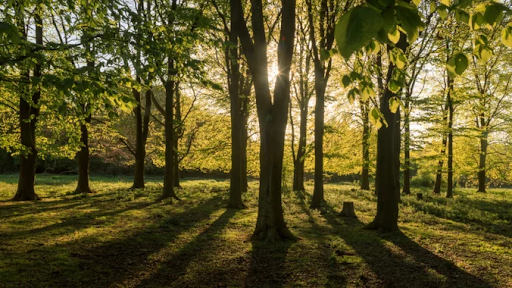
Hatfield Forest is one of Europe’s finest surviving medieval hunting forests and a nationally important site for wildlife and heritage.
Over a decade, visitor numbers increased from around 105,000 to 500,000 annually, creating significant pressure on paths, habitats and visitor experience.
Attempts to manage access through path closures and gates led to growing tension between the National Trust and regular forest users. People cared deeply about the forest, but held very different views about how it should be managed. Frustration escalated into complaints, damaged relationships and increasingly entrenched positions.
The National Trust needed a way to develop solutions that people would support rather than oppose.
Our Approach
Dialogue Matters designed and facilitated a five-month stakeholder dialogue process based on our Consensus Building methodology.
We established a balanced group of 45 stakeholders representing different interests and created opportunities for people to:
-
Share perspectives and local knowledge
-
Understand the challenges facing the forest
-
Explore possible solutions together
-
Review ideas through wider engagement
-
Jointly prioritise actions
The process combined workshops, wider engagement and ongoing communication, with each stage building on the last to help people move from adversarial positions towards collaborative problem-solving.
Participants developed a shared understanding of the issues and identified what was already working well. Together they generated and shortlisted solutions, which were tested through wider engagement. Findings were fed back to the stakeholder group, enabling them to refine proposals and agree practical next steps.
The Outcome
The process transformed relationships between stakeholders and the National Trust.
Rather than seeing themselves in opposition, participants developed a stronger understanding of both the challenges facing the forest and one another's perspectives.
Solutions and priorities were developed collaboratively, with stakeholders making commitments to help put them into action.
Impact
The process left a lasting legacy beyond the immediate project.
A joint stakeholder and National Trust working group was established to oversee implementation, while regular communication helped maintain transparency and momentum.
For the National Trust, the process also triggered a wider cultural shift towards recognising the value of community involvement and shared decision-making.
“This was a leap into the unknown, but I quickly found it easy to trust the process and realise it was the only sustainable approach.”
Why It Worked
People were given genuine influence over the outcome. Rather than responding to predetermined proposals, stakeholders helped shape priorities, develop solutions and agree actions.
Careful process design created space for difficult conversations while helping people move beyond entrenched positions and focus on shared aspirations.
Key learnings
Co-creation can succeed where consultation alone struggles
Careful process design is essential when tensions are high
Solutions are more likely to maintain momentum when stakeholders help shape them
Awards
The project received the following recognition:
-
2018 CIEEM Best Practice Award for Stakeholder Engagement
-
2018 CIEEM Tony Bradshaw Award for Outstanding Best Practice
-
2018 Countryside Management Association Gordon Miller Award – Highly Commended